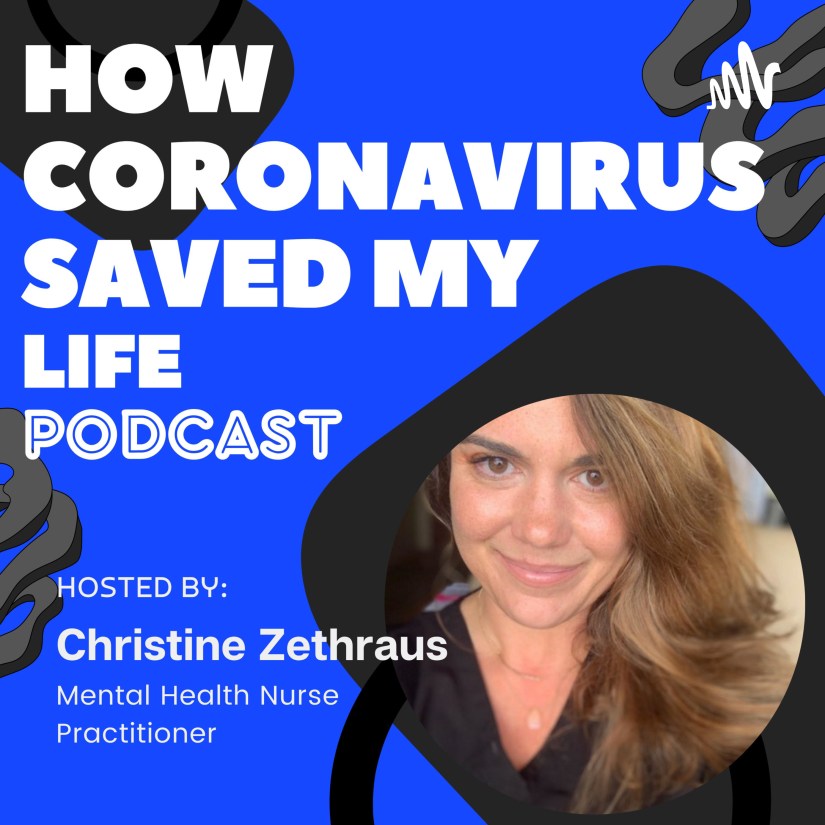
Do you have Chronic Pain? Ready for Pain Recovery? This episode is for YOU!
We have a special guest today—Dr. Les Aria, a Pain Psychologist & Co-founder of Menda.Health, who specializes in helping people recover from chronic pain. Today, he’ll explain what polyvagal theory is and how it can help you feel safe when you’re dealing with chronic pain.
This week’s episode, Part TWO, on polyvagal theory and its application to chronic pain therapy. Polyvagal theory is the science of feeling safe, and it’s based on decades of research by Dr. Stephen Porges, who pioneered research into the autonomic nervous system and its relationship with emotions.
Christine and Les discussing the groundbreaking The Polyvagal Theory
It Always Seems Impossible…Until It’s Done
Nelson Mandela
Summary
Do you have Chronic Pain? Ready for Pain Recovery? This episode is for YOU!
We have a special guest today—Dr. Les Aria, a Pain Psychologist who specializes in helping people recover from chronic pain. Today, he’ll explain what polyvagal theory is and how it can help you feel safe when you’re dealing with chronic pain.
This week’s episode, Part One, on polyvagal theory and its application to chronic pain therapy. Polyvagal theory is the science of feeling safe, and it’s based on decades of research by Dr. Stephen Porges, who pioneered research into the autonomic nervous system and its relationship with emotions.
A Mental Health Healthcare Practitioner who got Coronavirus in April 2020 which changed the course of my life. I created How Coronavirus Saved My Life Podcast as a love letter to humanity. Having Long Covid symptoms, a failing marriage, fear, burnout from healthcare, frustration were launching points to my self-healing. All the answers we are seeking are within. No one is going to save you but yourself through self-healing and unwinding your childhood programming conditions.
Listen to episode 33 about boundaries. Boundaries = Self-Love
Summary
Were you taught it’s ok to say “No” in childhood? Were you taught it’s ok to speak up for your needs? Neither was I.
Teaching myself how to set boundaries is a work in progress. My narcissistic mother crossing my boundary for the last time was my key to emotional freedom and authentic worthiness.
In this solo episode, I cover all things boundaries.
Rule of Thumb: Those who react the loudest when a boundary is set is evidence the boundary was needed in the first place(read this again).
Topics Covered:
What is a boundary?
Why boundaries are important to your well-being
4 types of boundaries
Signs a boundary is crossed
How to set a boundary
My personal examples and emotional impact when I didn’t set boundaries
Why Witnessing Injustice on a Daily Basis was Necessary for My Purpose and Calling
By: Christine Zethraus, PMHNP-BC
Christine (7th grade) and Charlie (Dad). He picked me up in Fort Worth, TX after my mother kicked me out. I was on my way to Georgia to live with him for a year. Boy oh Boy…what a year that was!
Growing Up….
Growing up and being raised partly by a loud, obnoxious, alcoholic, drug fueled, racist father was draining. I am a lover by nature so having a parent who was the extreme opposite of myself was challenging to say the least. My father and I were polar opposites in our approach to life. He was harsh, crass, vulgar, and forceful. I am pensive, reflective, laid back, and try to see things from many perspectives.
I ask a lot of questions. I crave truth and seek the other side of the story. My father made a lot of assumptions about others. And built his stubborn house there.
Beginning of My Gratitude for my Racist Father…
Now, don’t get me wrong. I can be loud, relentless, in your face, challenging, and forceful when it comes to unfair treatment of others. This is where my gratitude for my racist father begins. He taught me sometimes IT IS necessary to get loud when you are fighting for what you believe in. It is necessary to be vocally forceful. Sometimes your approach is needs to be challenging and drain others I suppose.
Unfortunately, I can also have these same qualities when I feel personally betrayed in romantic relationships…ugh.
That story for another time. (hint: daddy issues)
Hearing the N-Word was Essential in my Childhood…
Hearing my Father say the N-Word constantly was absolutely necessary to my upbringing. Watching my father scream racist remarks to folks minding their own business driving by was imperative. Observing violence and constantly feeling fear in my Father’s presence was essential to my childhood. Being afraid of the person, parent, father figure, family member who looked like me was fundamental.
My Purpose in this Life…
Why in the world would I ever say such a thing? Why would I say my Father’s violent behaviors and racist mindset were an essential part of my childhood?
Because………
I would never have cared about any other issues outside of my own race, culture, economic status, education, and upbringing had I not experienced my racist Father’s wrath of misguided hate towards others. Along with his misguided hate towards me at times. Being front lines to daily injustice shaped who I am. Shaped my mission in this world.
I had to physically feel injustice. I had to emotionally feel injustice. I had to intellectually feel injustice. I had to encompass the enormity of all sides of to care, ask questions, reflect about the Injustices of different races, cultures, economic statuses, education and healthcare disparities. I HAD to experience, witness, feel the hate and fear of it all in order for ME to see the multiple sides of the injustice coin.
And now……
I find solutions by seeking other’s truth, ask questions, and do my best to see it all from many perspectives.
A boundary is direct communication about what YOU need, what YOUR limits are, what your willing to do or not do, tells the other what you’re thinking or feeling, provides space between yourself and the other, and gives clear expectations.
We think people can read our minds. We think people should know how we are feeling or what we are thinking. We think people should know when we need help. We think people should know that thing they did was wrong. We think people should know when they hurt our feelings.
They don’t. Most of the time they are unaware. Or they feel so guilty they don’t want to face it.
Boundaries create safety for everyone involved. Boundaries are love for yourself. Boundaries are love for the other.
Boundaries are Important for Self Love
Below are 6 Reasons Why it’s Important to Set Boundaries:
Protects your emotional and physical energy: You can’t give to others if you haven’t given to yourself first, otherwise, it’s called judgement. Boundaries protects your precious emotional and physical energy. You then help from a place of love when you put yourself first before helping others.
Avoids Future Conflicts and Resentment: Being direct with a simple statement about what you need or what your boundary is, helps the other person on the receiving end. Supports healthy communication.
Allows you to define your emotional and physical space: This is a BIG one for me. I need lots of alone time. I need lots of space after working a full day in a mental health setting. I need quiet with little interruption. Everyone deserves peace. Telling others you need time alone is SUPER important to your well-being.
Makes your Relationships Last Longer: Setting boundaries creates space for deeper connection. Boundaries tell your partner what you need instead of a guessing miscommunication game.
Allows you to Practice Self-Respect: Most of us were not taught to set boundaries in childhood. Most of us were not taught it’s ok to say NO. Most of us were raised by broken or emotionally immature people. Boundaries tells our brain we are safe. Our brain needs this because it thinks we still need protection from childhood.
Enables you to set reasonable consequences for violating your space: YOU define your own consequence. NO ONE gets a say so on the importance of your space. Not your mother. Not your father. Not your partner. Not your child. And certainly not society or your religious upbringing.
6 Reasons Why Boundaries Are Important
Reminder: Those who react the loudest to the boundary, is reinforcement the boundary was needed in the first place.
Check out my latest podcast episode where Belinda and I discuss importance of boundaries in toxic families: